Futures the present cannot hold — twelve artifacts of evidence and fiction, walked through in one night.
Artifice NYC is a curatorial research nonprofit working between creative science and new media fictions.
We produce immersive, site-specific showcases and open creative infrastructure (a public archive practitioners build and control), shaping how speculative practice and emerging technology define the way we live.
A 501(c)(3) founded in 2024. Sights: Science Fiction drew 998 people in one night. Everything enters the Artifact Index, a free public record of how the work gets made.
Artifice 006 begins with the vortex — the force that pulls histories, climates, and futures into collapse. Drawing on Drexciya and Rivers Solomon's The Deep, it treats survival as record-keeping: what history tried to drown is carried, transformed, and brought into relation with the future. Salome Asega and Ayodamola Okunseinde's Iyapo Repository, already in the cohort, is exactly that — an archive of artifacts envisioning Black futures, descended from Octavia Butler's shaping change and the survivance of Indigenous futurisms.
If the vortex names collapse, the wormhole names passage — an aperture between memory, climate, technology, and the futures these artists imagine. Across twelve artifacts, Artifice 006 holds both pressure and possibility. WHITEBOX studies the forces that produce collapse: climate instability, extraction, colonial history, technological misuse, failed archives — the vortex made legible. BLACKBOX opens the passage beyond it, through sound, image, performance, and transformation — what was pulled under, carried forward into worlds you can enter. Together they move from vortex to wormhole: from the forces that pull worlds under to the futures artists build past them.
The artists here work from inside that condition. Climate and erasure are the weather they already make in, not a theme handed to them — and each artifact carries its argument in the material itself.
Artifice 006 is for experimental artists whose work falls between the gallery, the lab, and the stage — and for the public, patrons, and institutions who want to support that work before the market knows what to call it.
Artifice runs on two tempos. An artifact gets its first release at a node, reaches completion in a Chapter, and the Artifact Index records the passage.
Early, in progress, tested in public — where a work is shown before it is finished. Small, frequent.
The finished form, staged once a year as the flagship. Artifice 006 is where this year's artifacts complete.
Existing works brought to their final form for one exhibition. Six artifacts per format, balanced three established and three emerging. The two formats are the two halves of the passage — the vortex made legible, and the wormhole opened.

The whirlpool as a force — rotation, pressure, pull, collapse. WHITEBOX studies what pulls worlds downward: climate instability, extraction, colonial histories, technological misuse, failed archives. Fashion, installation, and material evidence, held still long enough to be read — you circle them, study the seam, see how the world was built. Here, the vortex becomes legible.

The wormhole as passage — a gateway out of collapse into the futures artists build. Film, sound, performance, projection, transformation. What was pulled under is carried forward — memory, climate, and erased histories transported into worlds you can enter. A film runs once; a performance happens once. Here, passage becomes experiential.
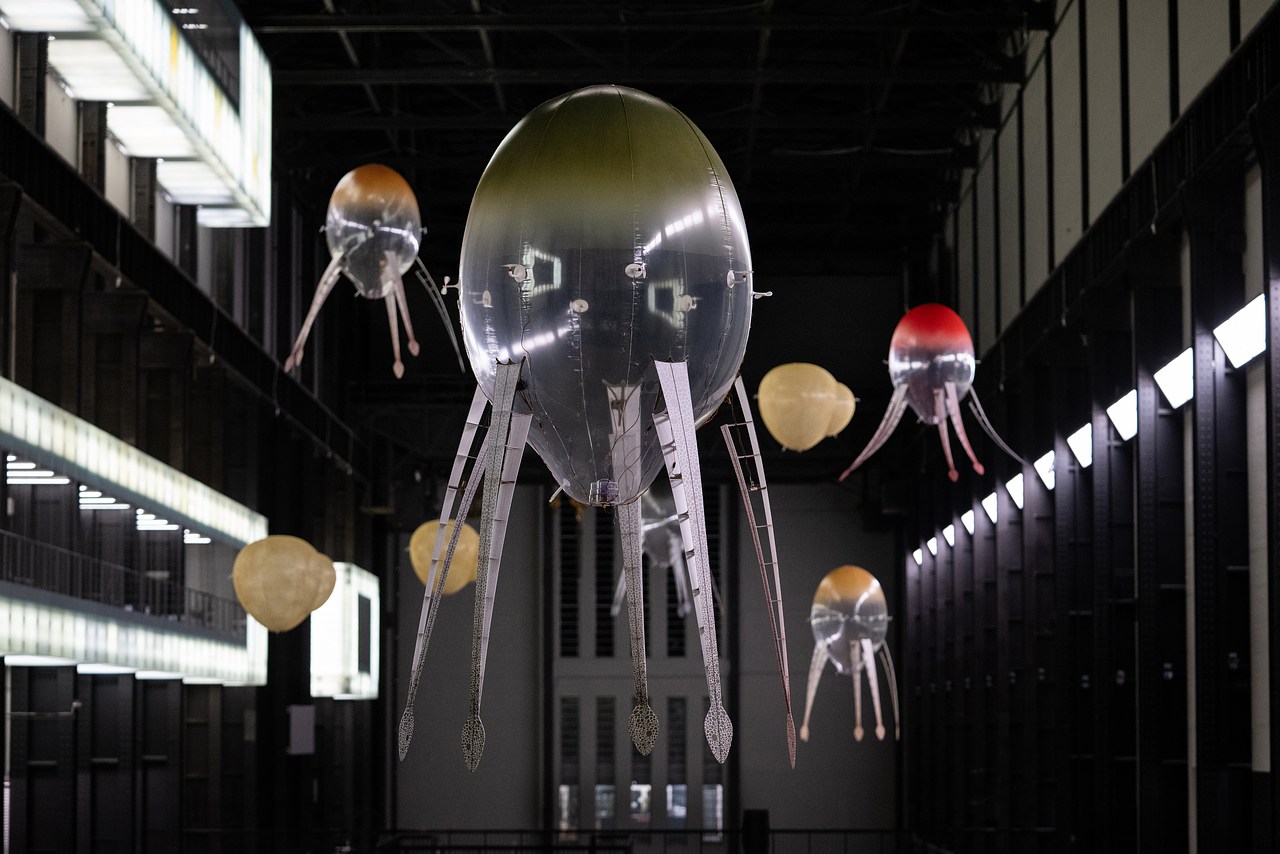
Floating "aerobes" — machine lifeforms drawn from ocean species and fungi — drift through a shifting scent ecology. The marquee reach of the lab.
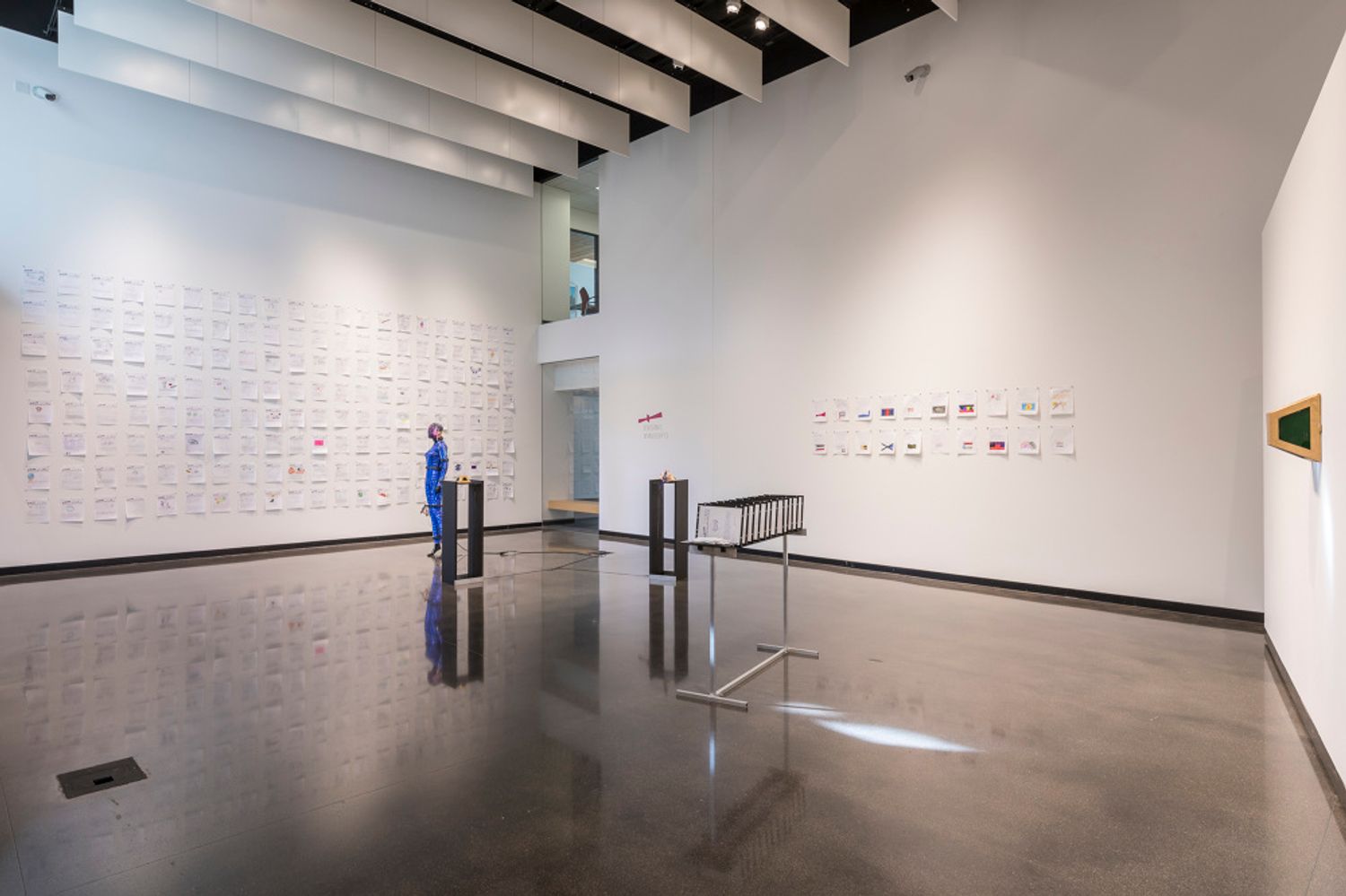
An Afrofuturist archive of artifacts envisioning Black futures. Salome Asega directs NEW INC.
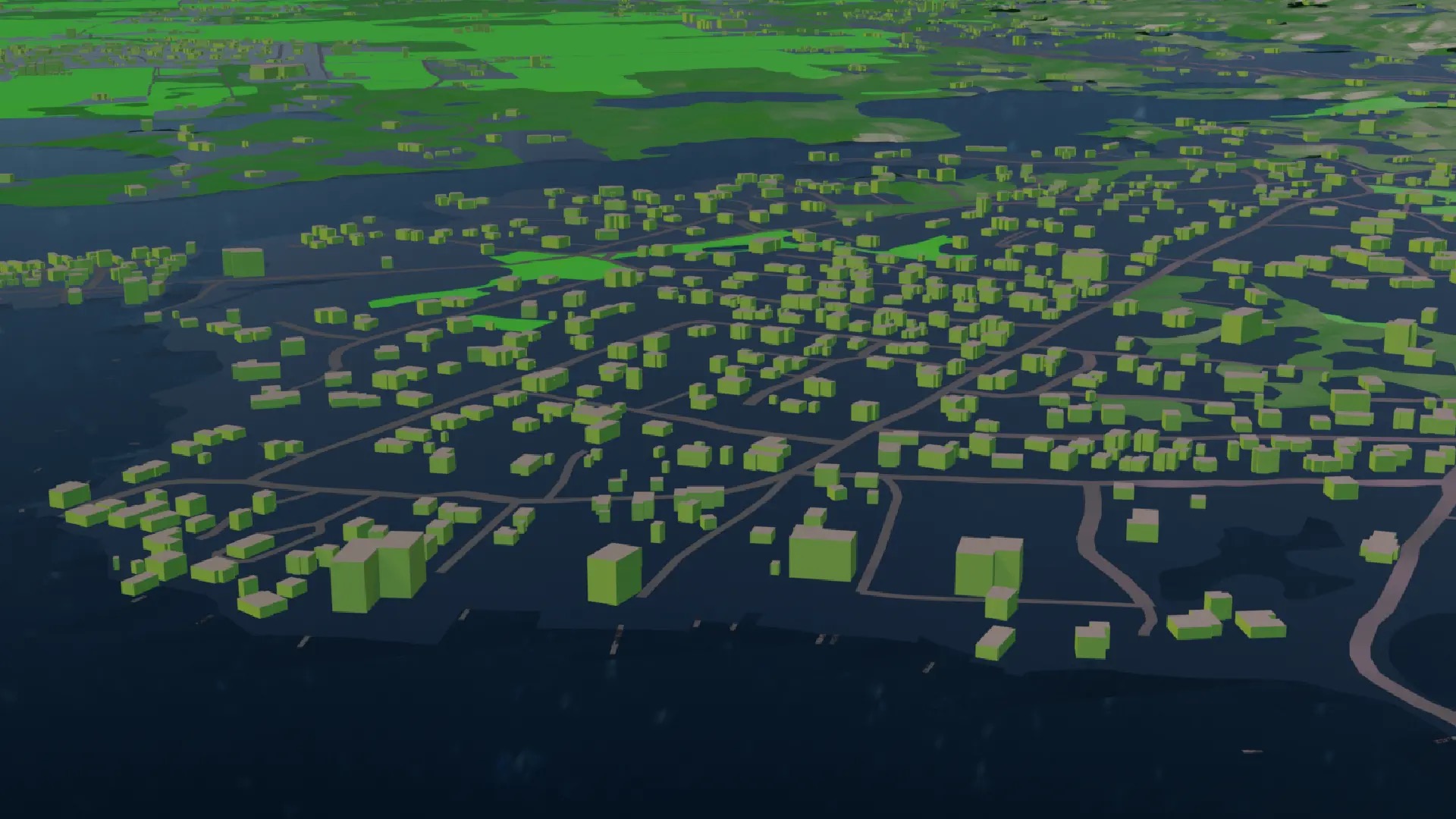
An immersive tidal work of rising water, the climate anchor of the stage.
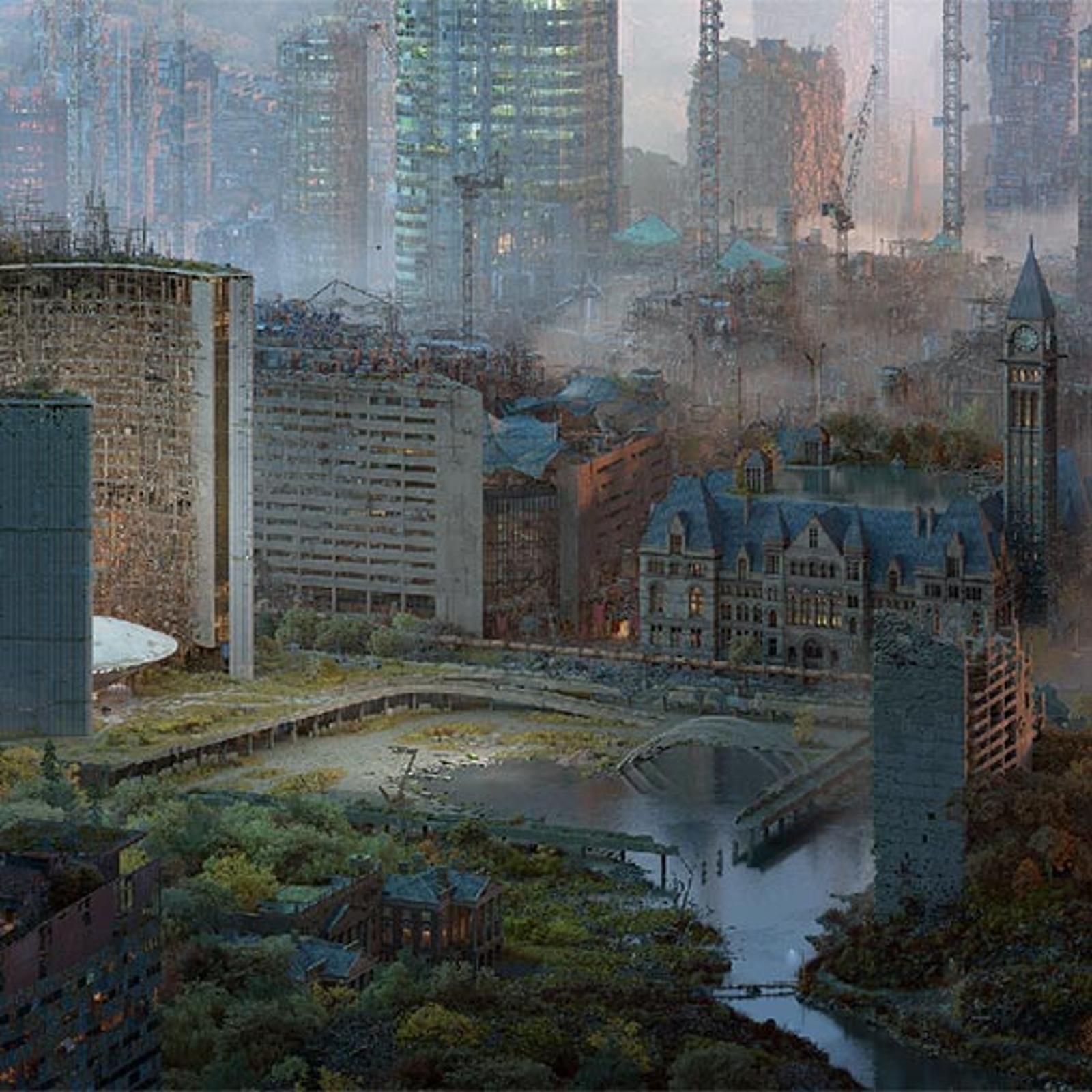
A VR future where a city reclaimed by nature is told in Anishinaabe and other Indigenous languages.
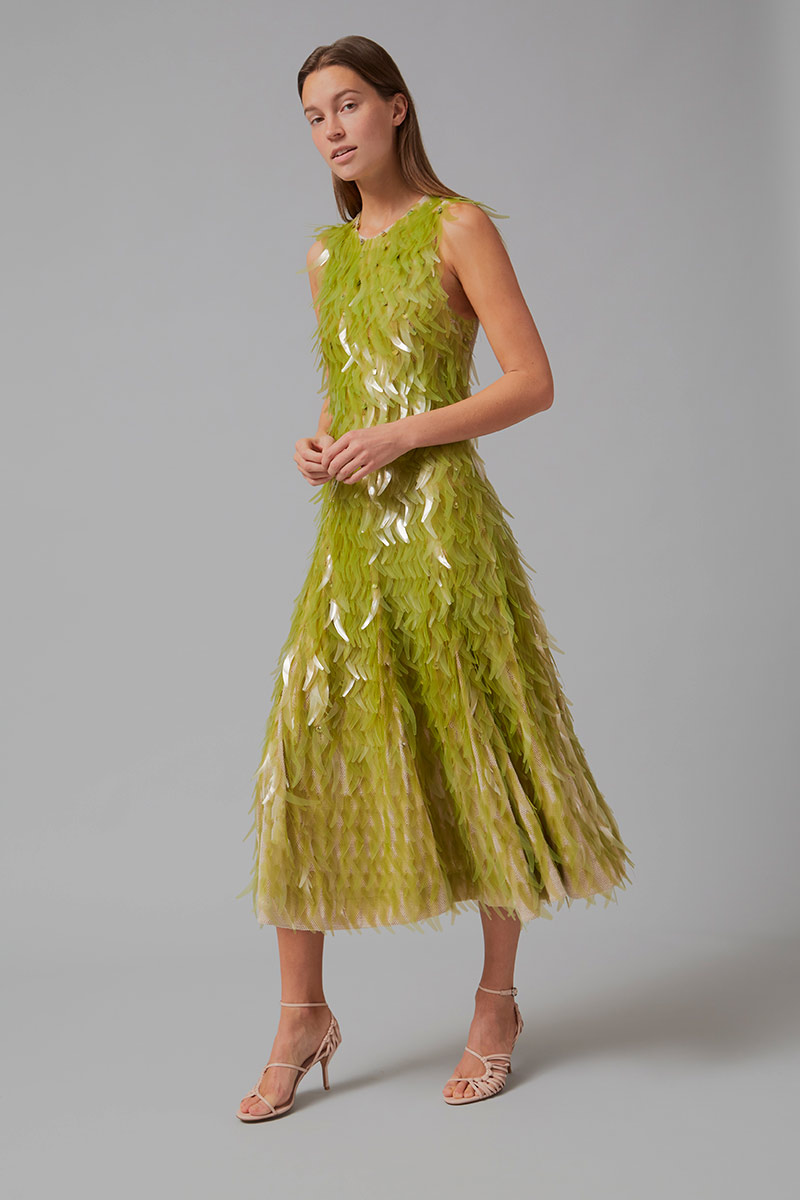
Carbon-negative bioplastic sequins from marine algae.
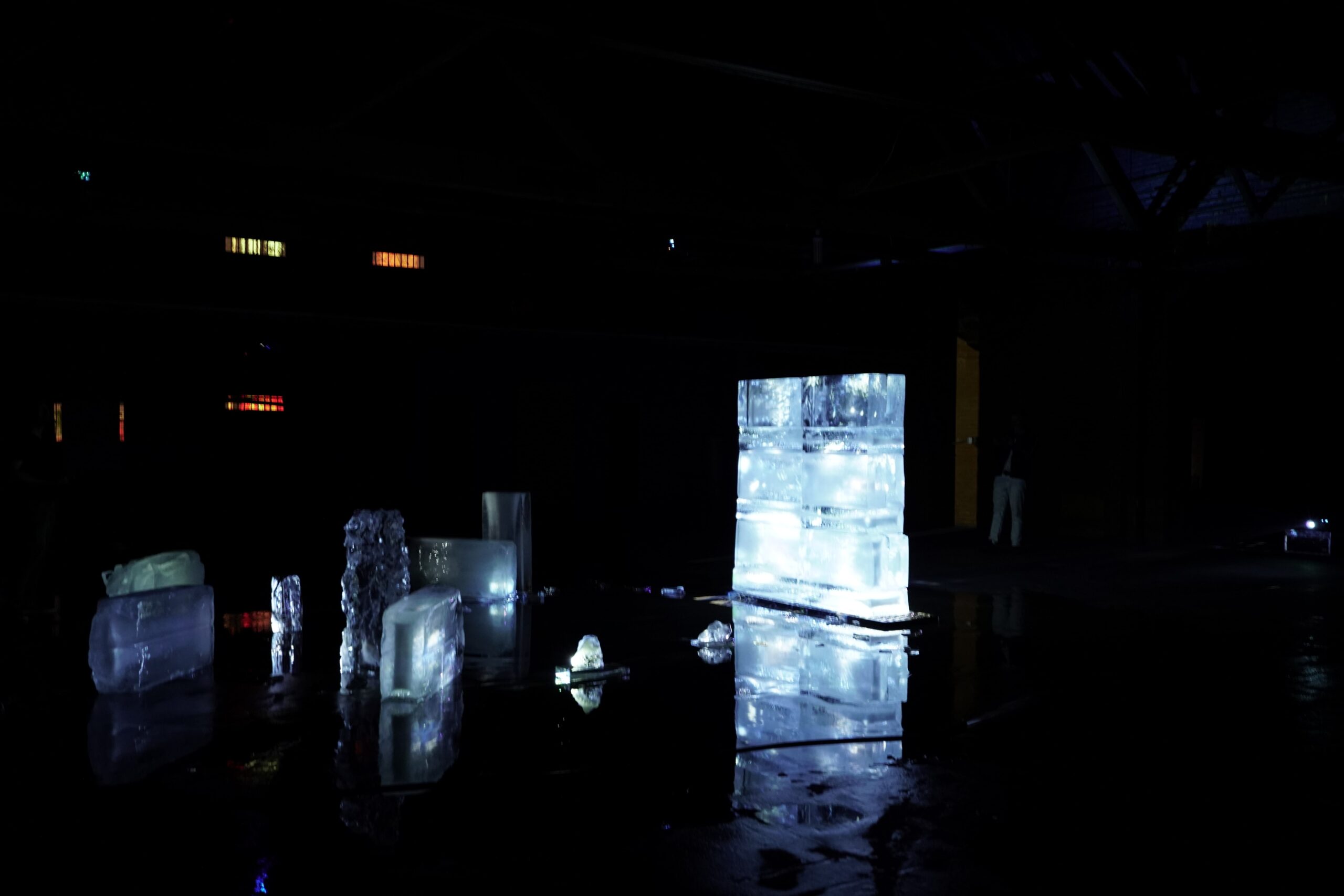
Blocks of ice as a canvas for light and sound — a durational work that melts as it plays.
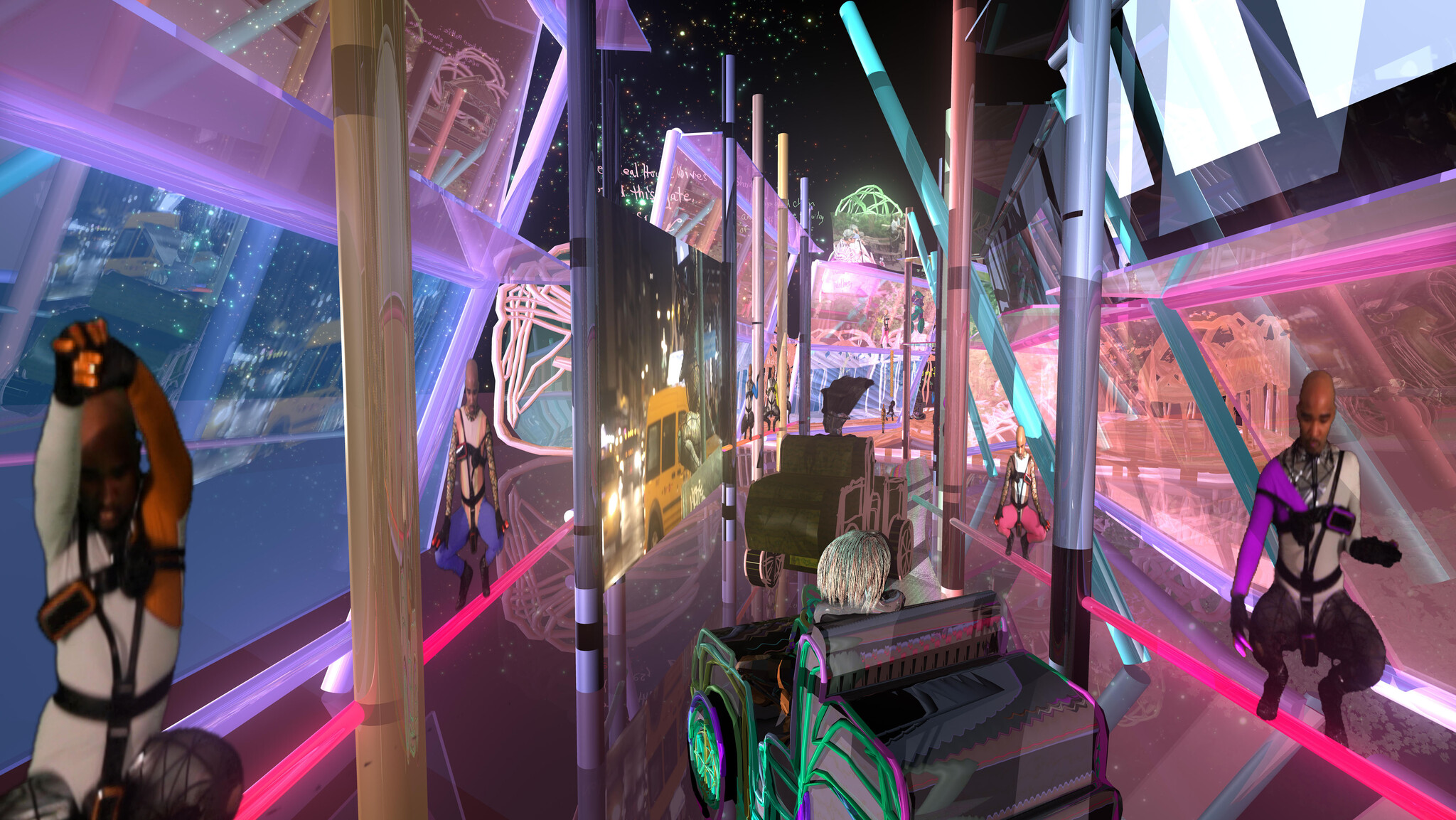
Queer Black mythology danced through CGI worlds.
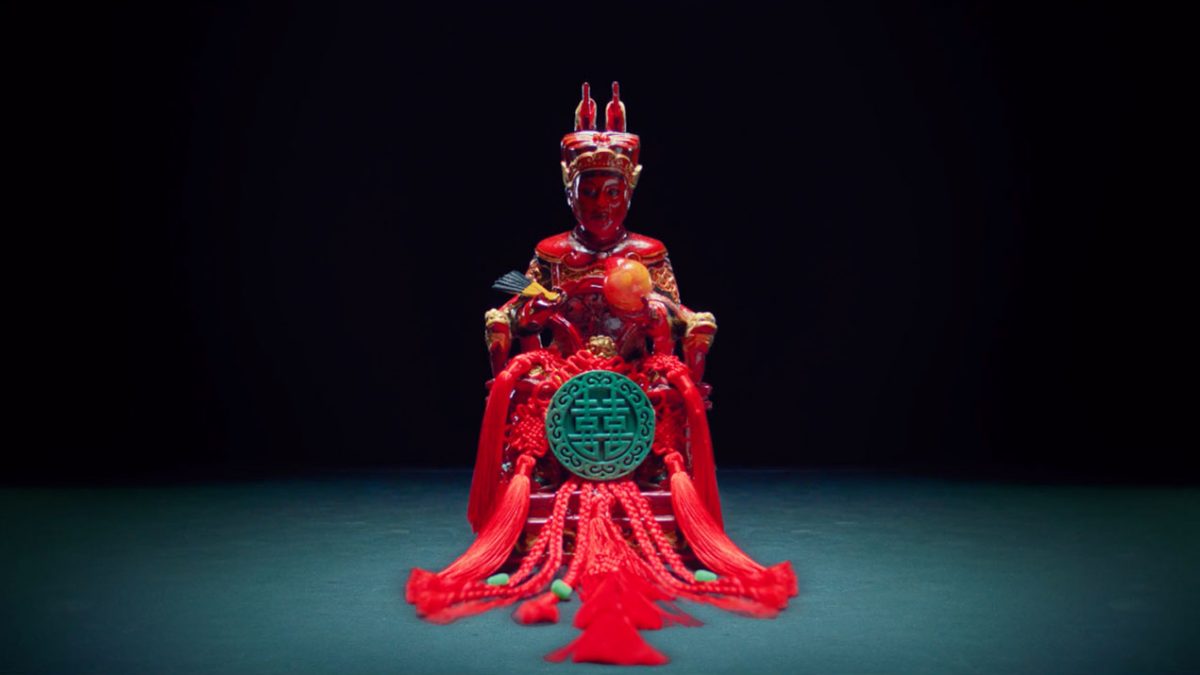
A Chinese-American worker falls for an 18th-century Qing-dynasty god of gay lovers — queer Asian mythology rendered as digital fantasy.
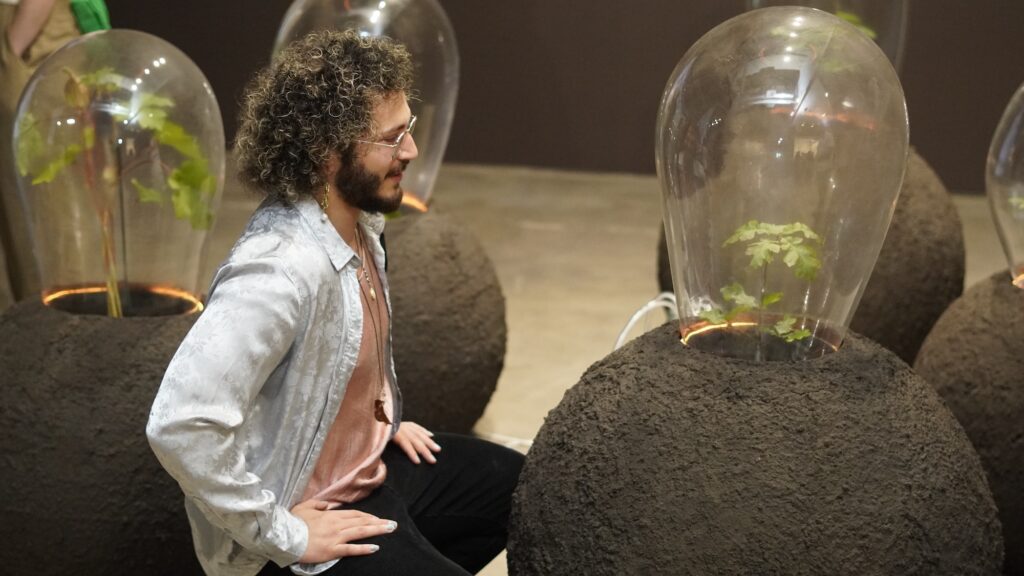
Community oral histories encoded into the DNA of living okra — a Black-centered AI built on consent, not extraction.
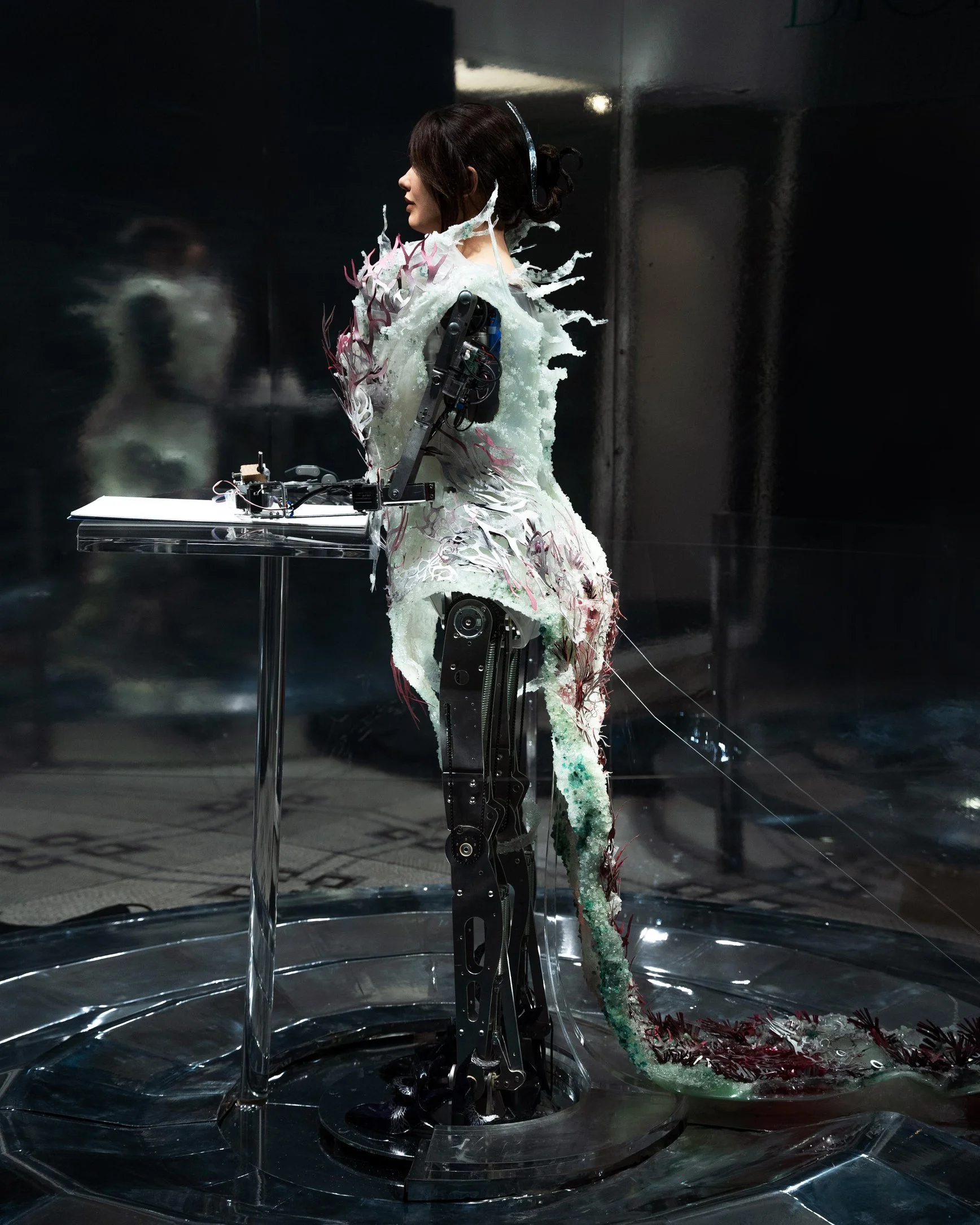
A crystalline garment that grows on the body over hours, then disintegrates — fashion performed as a living cycle.
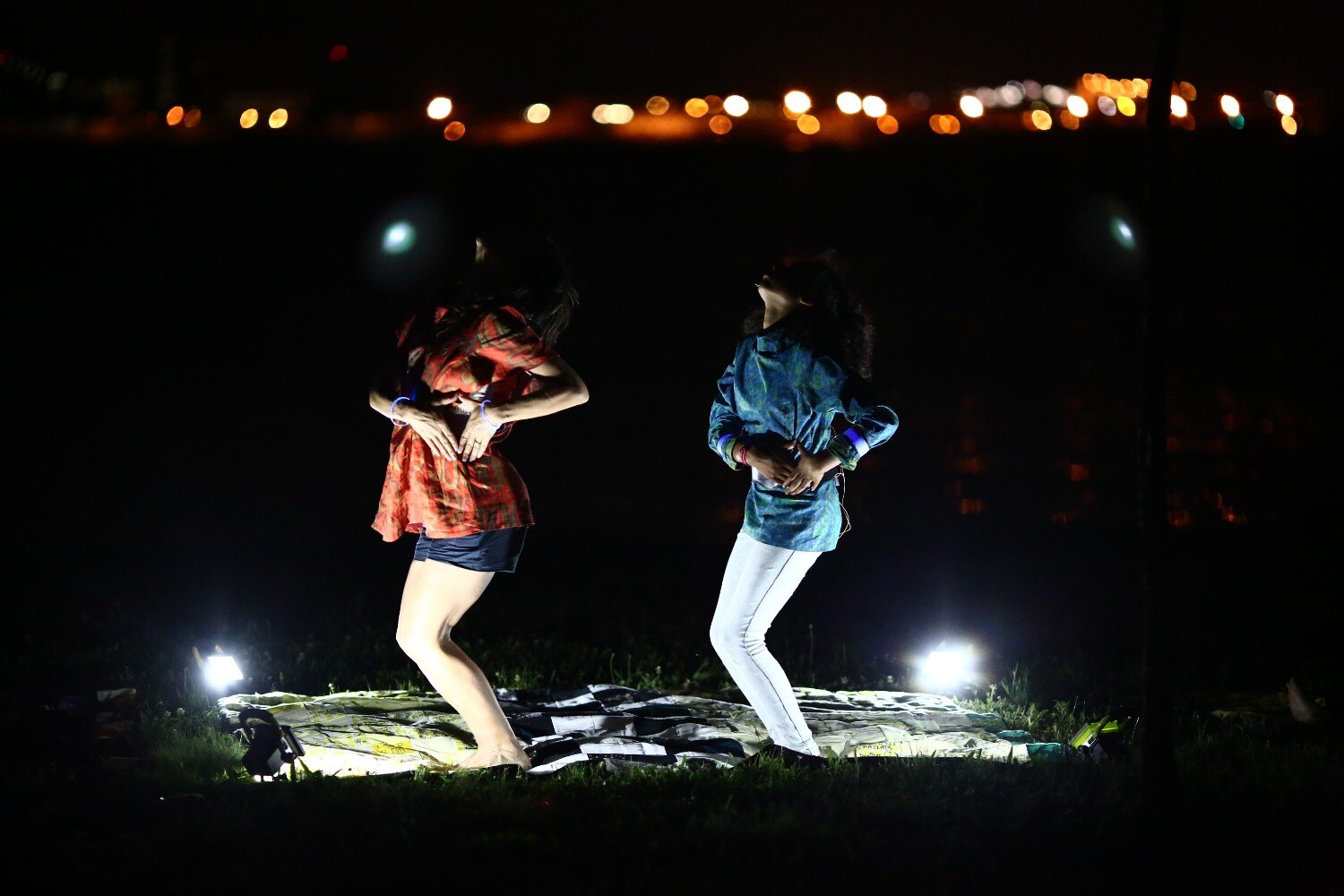
Durational land performance from a Yup'ik choreographer, on kinship and the night sky.
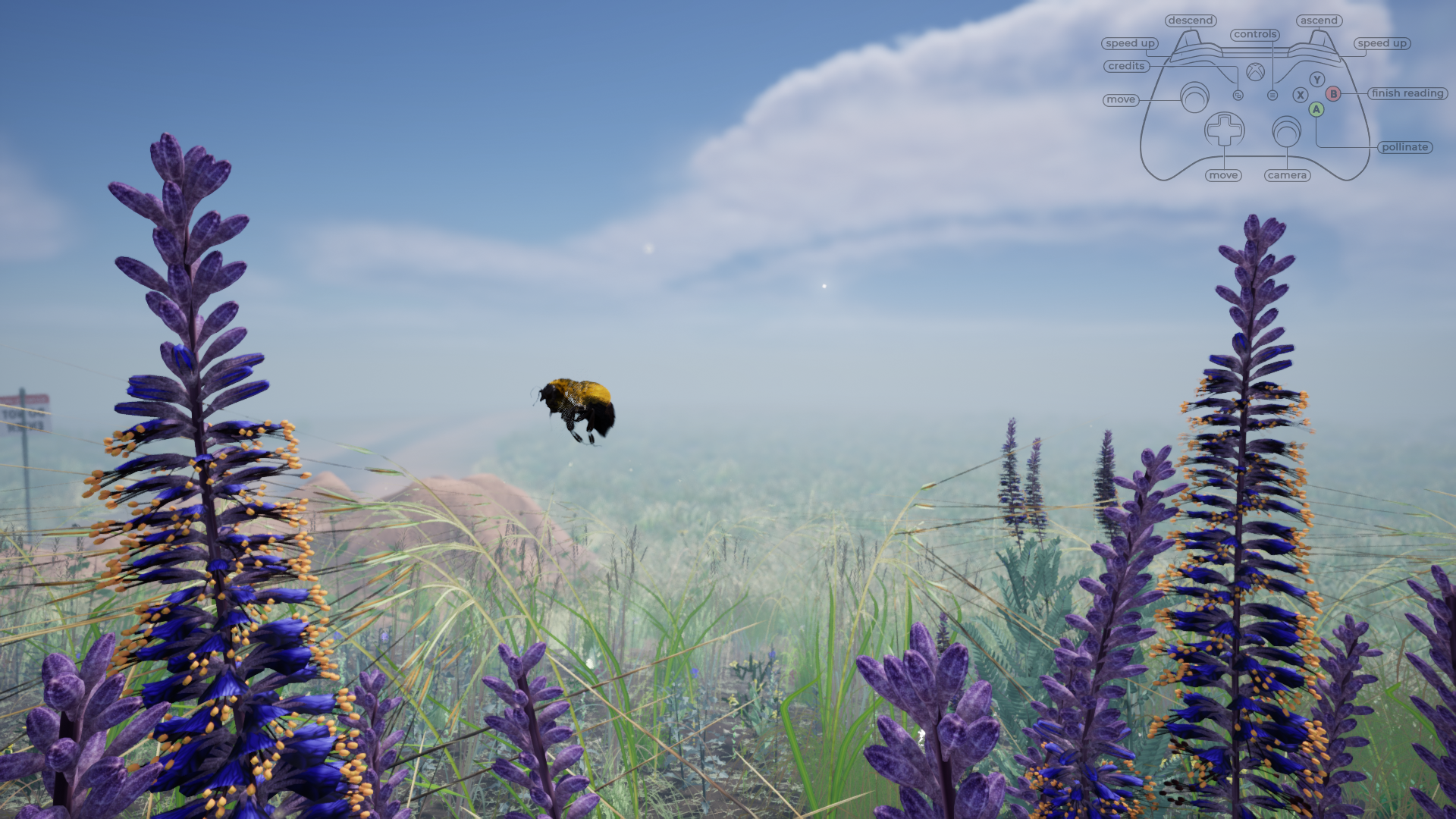
Interactive VR on prairie ecology and kinship with natural systems.
Lineup is target, in conversation. All existing works, confirmed at artist lock.
Every artifact is followed from first release to final form. Each selected artist sits for an interview that tracks the work as it develops — the early idea, the material problem, the version that gets shown on the night. The interviews are programming, not press: they run before the chapter to introduce the cohort, and continue after it as part of the record.
They publish through [ENTER] and enter the Artifact Index, so the thinking behind each artifact stays public and citable after the doors close. The interview is how the audience meets the work before they walk through it, and how the archive holds onto why it was made.
The model is proven. Art21's IRL/URL — short artist documentaries on the same art-and-technology boundary, presented by the CHANEL Culture Fund — covered this terrain for a public audience, including Jacolby Satterwhite, who shows in BLACKBOX.
WHITEBOX runs continuously, six artifacts open the whole night. BLACKBOX is a timed cycle of performance, film, and immersive work, with a curatorial conversation between sets.
Artifice 006 lands at Amant — the SO‑IL-designed art campus across 306 & 315 Maujer Street and 932 Grand. The two formats map cleanly across the campus: WHITEBOX holds the daylit galleries as a month-long installation, BLACKBOX takes Géza — Amant's screening and performance space — for the opening, and the courtyards carry the durational and outdoor work. The scale supports the ~1,000-person opening night and a public run after it.
| Space | In the program |
| 932 Grand — main gallery Amant's principal exhibition gallery. | WHITEBOX · month-long |
| 315 Maujer — the 22‑ft daylit gallery Top-lit through aluminum louvers; scaled for large installation. | WHITEBOX · month-long |
| Géza — 306 Maujer Gallery that transforms into a screening and performance space. | BLACKBOX · opening |
| Courtyard + garden The thoroughfares that weave between the buildings. | Durational · outdoor |
Final room assignments are set with Amant in production planning. The plan below maps the twelve artifacts across the campus.
The whole chapter on one plan: WHITEBOX holds the daylit galleries for the month, BLACKBOX takes Géza for the opening, and the courtyards carry the durational and outdoor work. Numbers key to the twelve artifacts; the opening-night sequence runs 7 to 11pm.
Artifice 006 is produced by Artifice NYC. Venue, curatorial, communications, and funding partners are currently in development. Target partners include institutions across contemporary art, creative technology, performance, and science-fiction culture, with communications and press led in conversation with Cultural Counsel. Confirmed partners will be announced publicly as agreements are finalized.
Artifice 006 is not a first attempt. Artifice has already produced public programs across installation, performance, creative technology, and speculative culture, including Chapter 005, Nodes:i, and Sights by Artifice: SCIENCE // FICTION.
These programs tested the structure that Artifice 006 now formalizes: artists develop artifacts, the public encounters them through spatial and performative formats, and the work is documented into an archive beyond the event itself.
The Artifice 006 model is intentionally modular: twelve artifacts, a clear whitebox / blackbox structure, a defined selection process, a production plan, and an editorial archive. Artifice is building the program through smaller Enter editions, partner conversations, and a transparent funding model so the flagship can scale from tested parts rather than from speculation.
Artifice is developing Artifice 006 across two scales.
A lean modular version can be produced for approximately $75,000–$125,000, supporting artist fees, venue, AV, production staff, documentation, accessibility, and the public archive.
A full institutional version requires approximately $150,000–$250,000, allowing for stronger artist commissions, more ambitious fabrication, expanded technical support, deeper documentation, and a larger public program.
Memberships, donations, sponsorships, and institutional support underwrite the same core priorities: artists are paid before the doors open, the work is documented with care, and the archive remains publicly accessible after the night ends.
The lean tier, in line items:
| Item | Budget |
| Artist honoraria: 2 headliners ($5K ea) · 2 BLACKBOX ($1K) · 8 others ($500) | 16,000 |
| XR / immersive development + spatial AV | 19,000 |
| Production: materials · lighting · sound · staging | 12,500 |
| Labor: Producer · Woo · TD · 5 PAs · Security | 13,200 |
| Venue (Amant · East Williamsburg) | 15,000 |
| Documentation + methodology paper | 7,000 |
| Audience: catering · accessibility · signage | 6,000 |
| Marketing + compliance | 5,000 |
| Contingency (10%) | ~8,000 |
| Total (lean) | ~101,800 |
No single restricted source exceeds $25K. The chapter is built to clear from many mid-size grants and gifts rather than one underwriter — institutional grantmakers that fund organizations of our size:
| Funder | Program | Range |
| Andy Warhol Foundation | Project Grants, small-scale orgs | $20–30K |
| NYSCA | Organizational support | $10–25K |
| Jerome Foundation | Early-career, NY/MN | $15–25K |
| Ruth Foundation for the Arts | Org grants (nomination-based) | $10–50K |
| Agog Foundation | XR / climate immersive | $25K+ |
Ranges are published program sizes, not commitments. A leadership gift sets the ceiling between the lean and full scales.
Gates: artist lock · production lock · scope freeze. Opening Friday, January 29, 2027, then a month-long run at Amant through February 26. Curatorial and funding partners are in development; confirmed partners will be announced as agreements are finalized.